For your consideration.
Elon Musk’s thoughts on solar energy versus nuclear energy.

For your consideration.
Elon Musk’s thoughts on solar energy versus nuclear energy.

Sitting in rural Victoria, sky obscured by bushfire smoke, I am reminded that I have said [and written] many times, that climate and energy transitions are the greatest challenges of our [and our children’s children] time. It would appear most of the Federal Government disagrees with me.
What are the arguments against a more sustainable future? What are the arguments against using reason and logic?
M.I.T wunderkind Alex Fridman [ @lexfridam ] reflects on the work, life and times of Elon Musk [ @elonmusk ] during an interview on the Joe Rogan Experience [ @joerogan ].
Lex Fridman’s assessment of Tesla vehicles delivered and Autopilot miles driven can be found here. Worth thinking about in the context of the true innovation and exponential changes we will witness in the decade of the 2020’s.

A small series of posts over the next week or so on the concept of “Type 1″.
These will be People, Planet and Challenges.
Why? Simply put, my recent experience of public discourse and political debate in Australia (and those seeking public office) suggests we need to look closely for genuine intellectual honesty, strategic vision and coherent world views that can be anticipated through reason and defended with logic.
Complex social, economic and environmental responses are not and will not be served by simple allegiances to a particular tribe or system of patronage. The challenges of the 21st Century are far too complex for political structures and habits of “magical thinking” established hundreds/thousands of years ago.
Today, People.
The Enneagram of Personality, or simply the Enneagram is a [contested] model of the human psyche which is principally understood and taught as a typology of nine interconnected personality types.
The 9 types of people it describes are: the reformer, helper, achiever, individualist, investigator, loyalist, enthusiast, challenger, and peacemaker.
Whilst not a devotee of such frameworks, due to the conflicting/contradictory evidence available, it is nonetheless a ‘fun’ and accessible way to introduce my series on “Type 1” to you dear reader, thus appropriating one of the more widely known [if not justified] frameworks for discussion.
Consider two Billionaires. “Leaders” in their fields. Elon Musk and Mark Zuckerberg. Given the very public developments of the major companies of these two, I would contend that only one of these is a ‘type 1’.
Bloomberg business writer and author of the Biography Elon Musk: Tesla, SpaceX, And The Quest For A Fantastic Future appears to agree with me when he says:
“He’s the possessed genius on the grandest quest anyone has ever concocted. He’s less a C.E.O. chasing riches than a general marshaling troops to secure victory. Where Mark Zuckerberg wants to help you share baby photos, Musk wants to … well … save the human race from self-imposed or accidental annihilation.”
The nature and degree to which “traditional business models” have evolved in the post-internet era hardly needs comment. Suffice to say, that inherent in every business that ever was or will be, is the core business.
To create, Innovate, grow and profit.
A matrix of every business over time would show that they could reasonably be described in a series of the oft-maligned yet useful intersecting venn diagrams showing a combination of one or more of these four goals.
Opposing goals, purpose or core businesses, however you wish to define them, still requires your business to make sense in that euphemistic 30 second elevator ride…How will we: create, Innovate, grow and profit
Often misunderstood [in my view, not in a positive way] one early quoted purpose from Zuckerberg was “Move fast and break things”.
Essential if profit is the goal, yet I am challenged to understand how this will serve the longer term goals of creating/innovating and growing long-term assets and value. Except for the owner.
We can see through recent US congressional hearings and wider reporting, the business model of the “user” being the “product” appears to have far-reaching political, social and psychological side-effects that are only now [sadly] becoming clearer to regulators and policy makers.
Mark has broken a lot of things lately and it appears many are part of a global social experiment they know very little about.

As equally ill-defined and misunderstood is Musk.
Misunderstood if one ignores his stated purpose. “We created Tesla to accelerate a sustainable future”. Misunderstood if one uses the traditional metrics to define/interpret/anticipate business strategy and ignore the engineer, focussed on first-princples, standing in plain sight.
The purpose of Tesla: – In his own words.
Exciting to see all the new electric vehicles coming to market! We created Tesla to accelerate a sustainable future & it’s happening!https://t.co/IqREiDqIyL
— Elon Tusk (@elonmusk) January 31, 2019

[Source: Maurizio Pesce from Milan, Italia [CC BY 2.0 (https://creativecommons.org/licenses/by/2.0)]
Last week I listened to the excellent podcast by Ark Invest, interviewing Elon Musk about Tesla Cars and autonomy. Whilst extremely insightful and informative, this interview also displayed, as plainly as possible, the main premise of “Type 1”. Listen carefully to this podcast. It is thirty minutes well spent. Indeed, Musk, in his own words
“People think sometimes that I’m like a business person or finance person, or something like that. I’m an engineer. I do engineering, always have.” — @elonmusk [0:12:33]
As environmental, economic and social challenges persist on a global scale, many struggle with complexity, nuance and focus in the face of apparent existential risk.
One business seeks to “Move fast and break things”, creating increasingly atomised networks of personal echo-chambers, devoid of any discernible purpose other than keeping your attention. This is a a business where the “users” and their personal habits, actions and details are the “product”.
The second business seeks to improve the long-term viability of the human race by accelerating the adoption of sustainable energy and even prodvide [the once entirely science-fiction goal] of an “off-world “alternative.
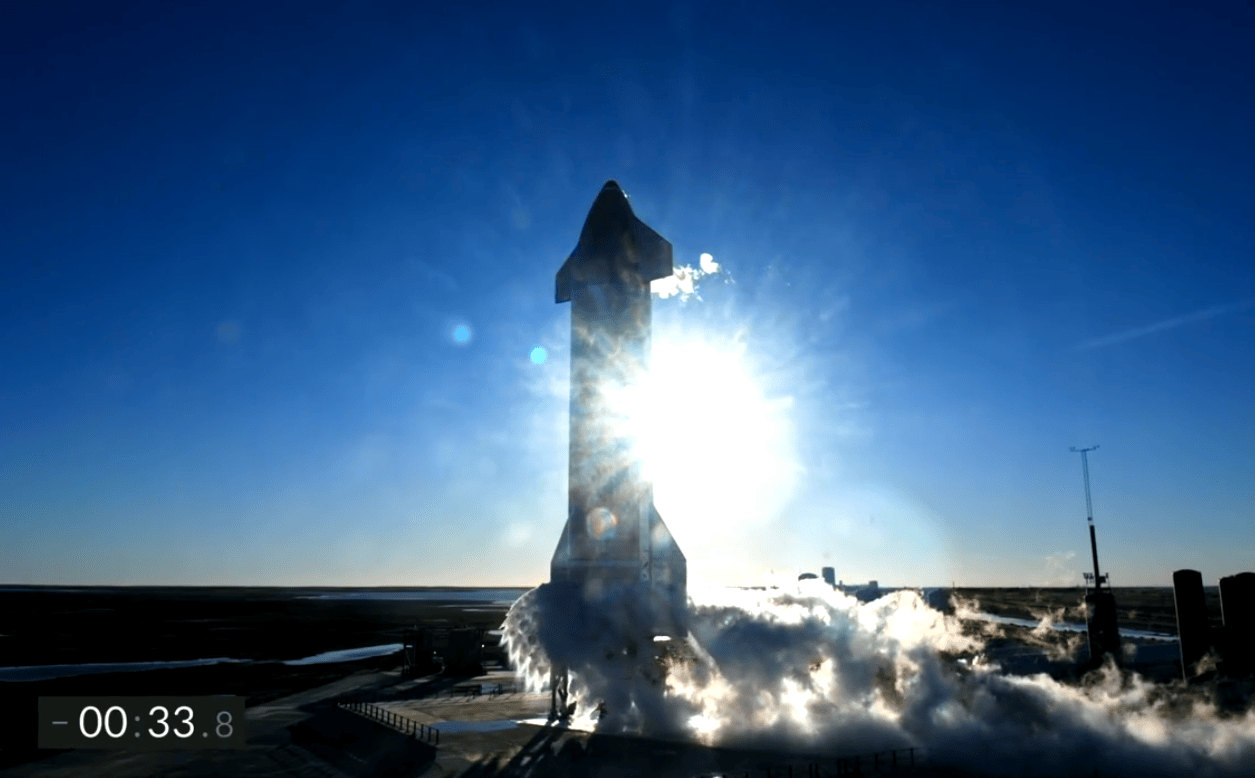
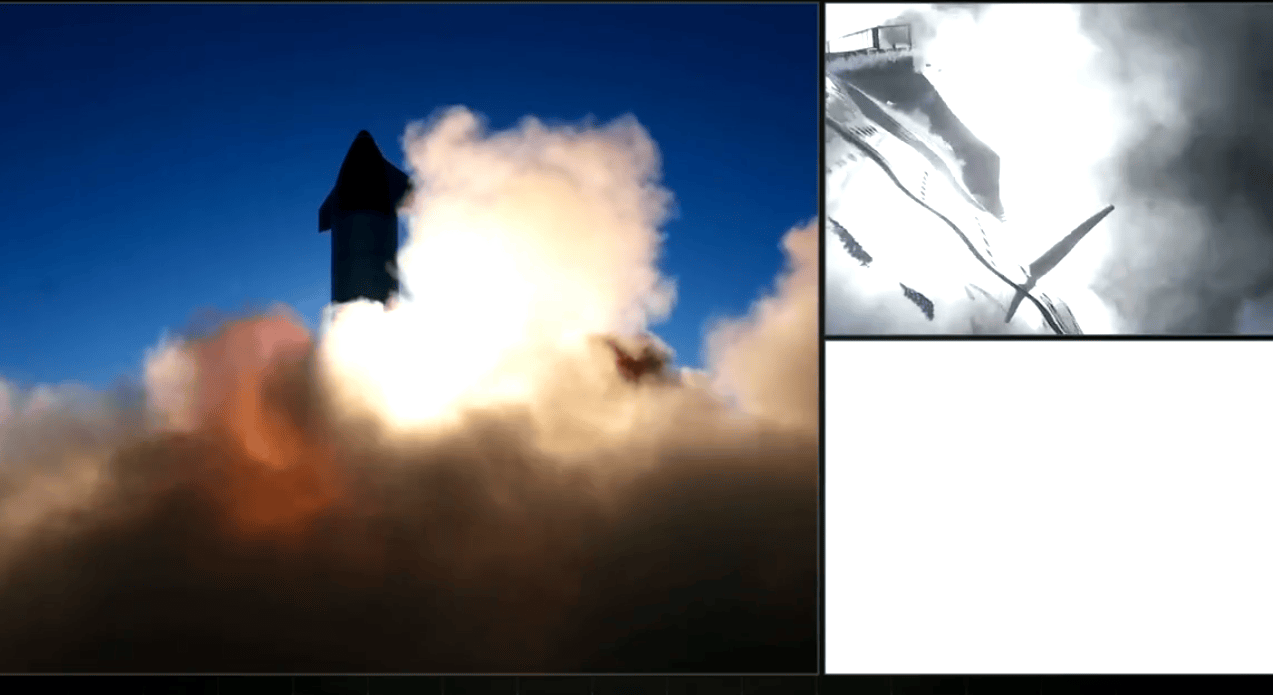
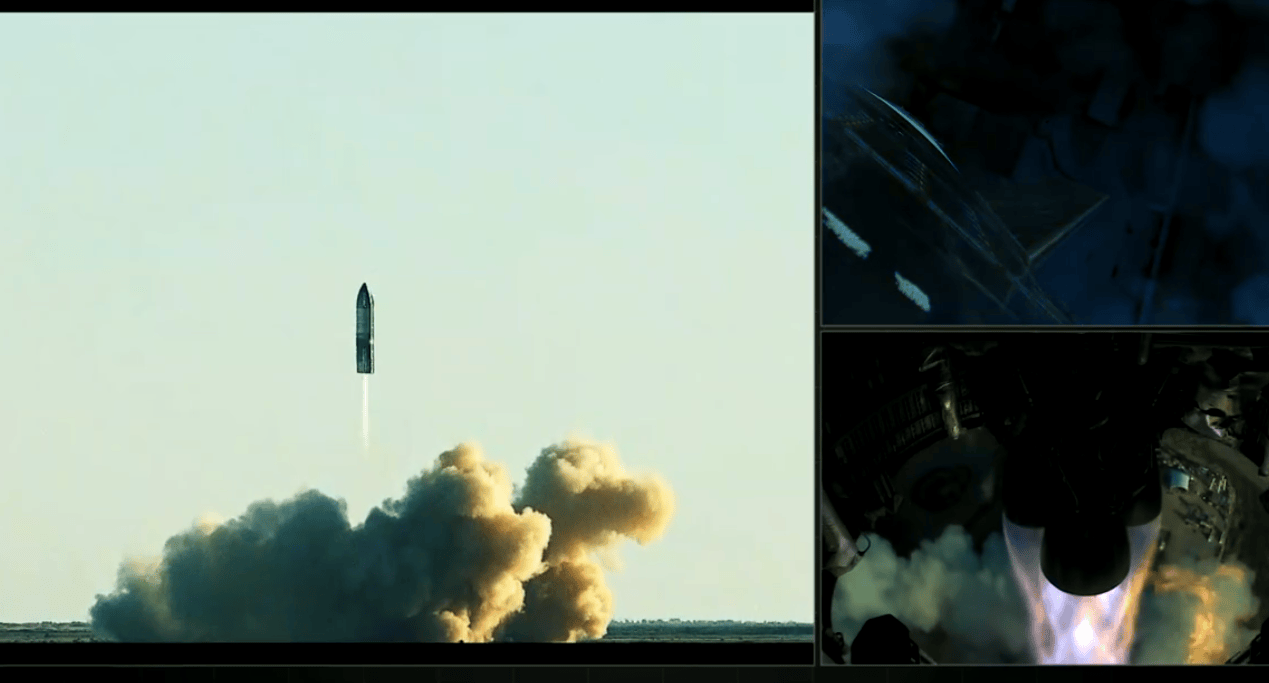
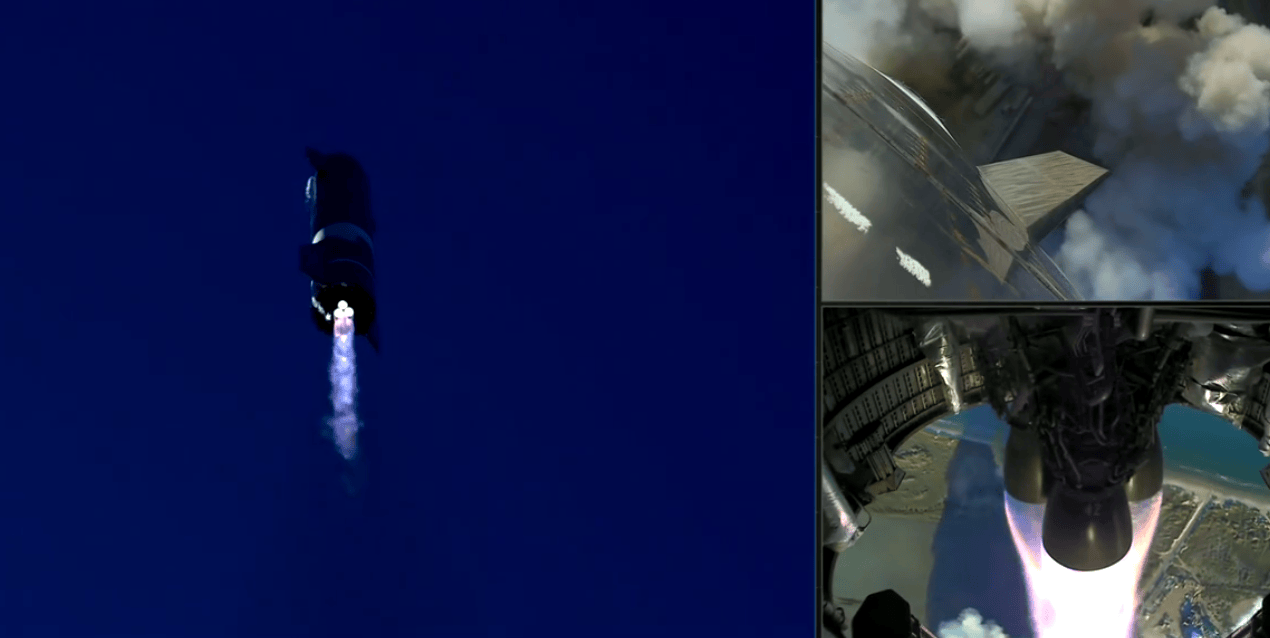
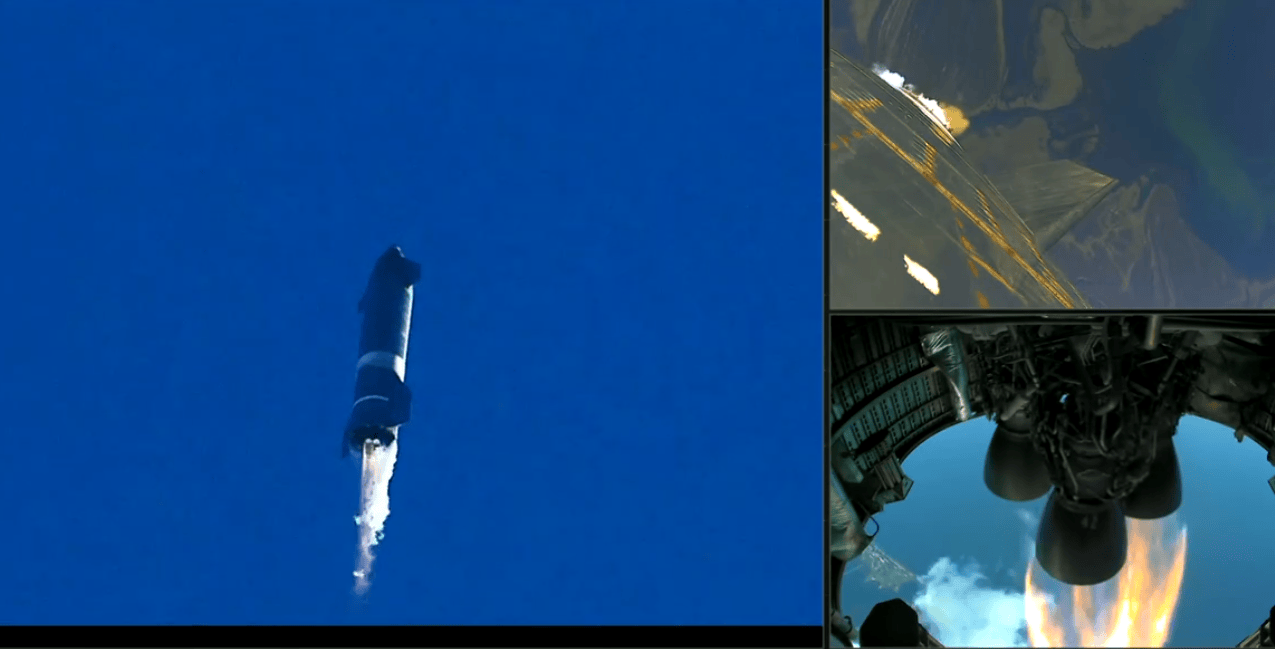
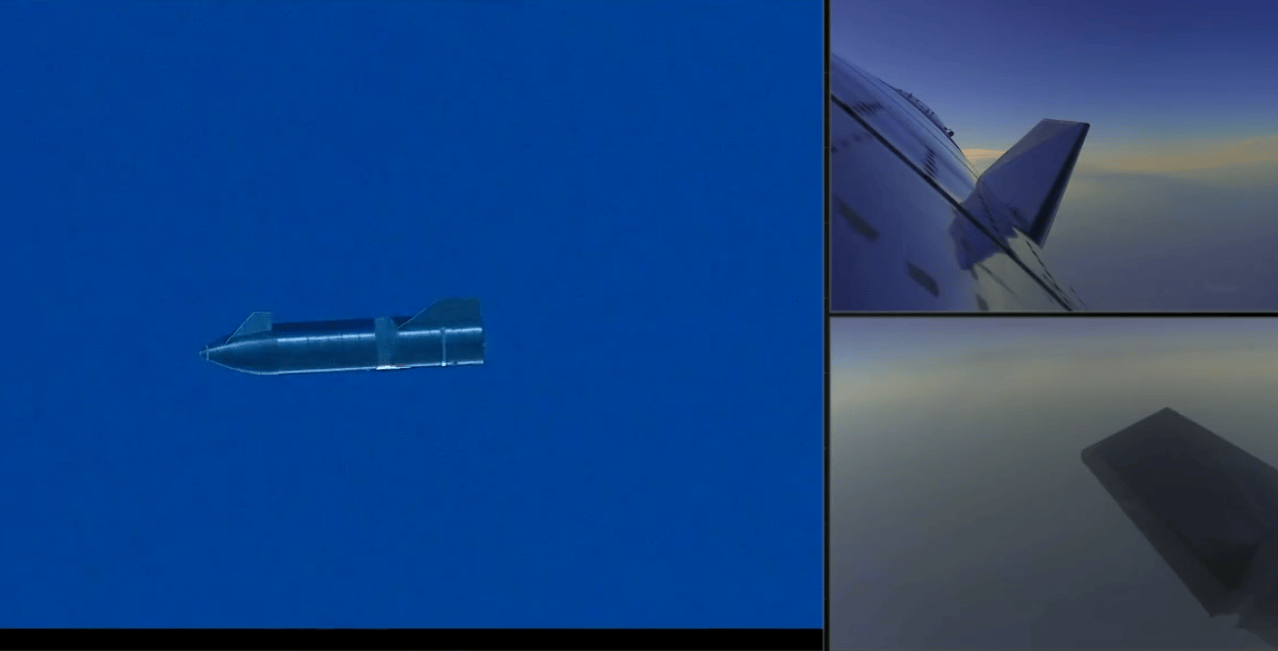
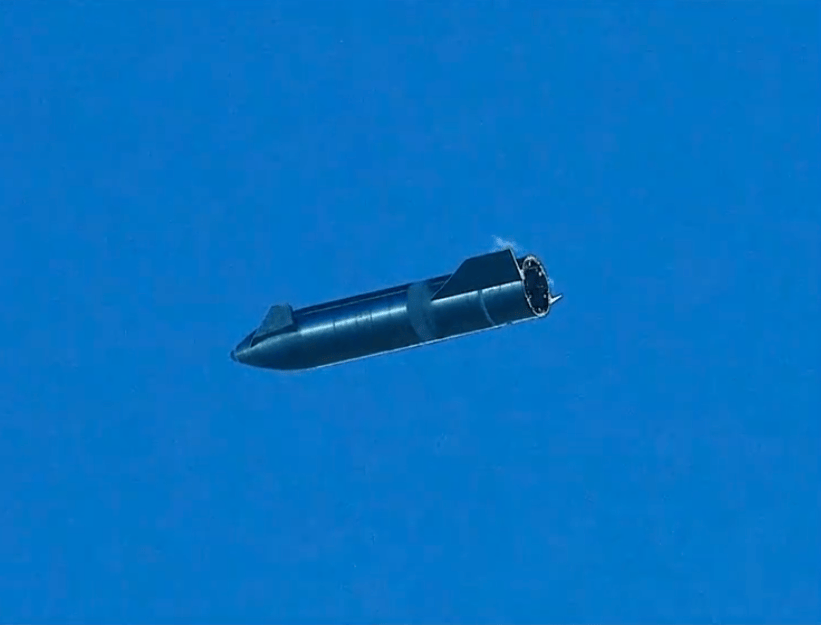
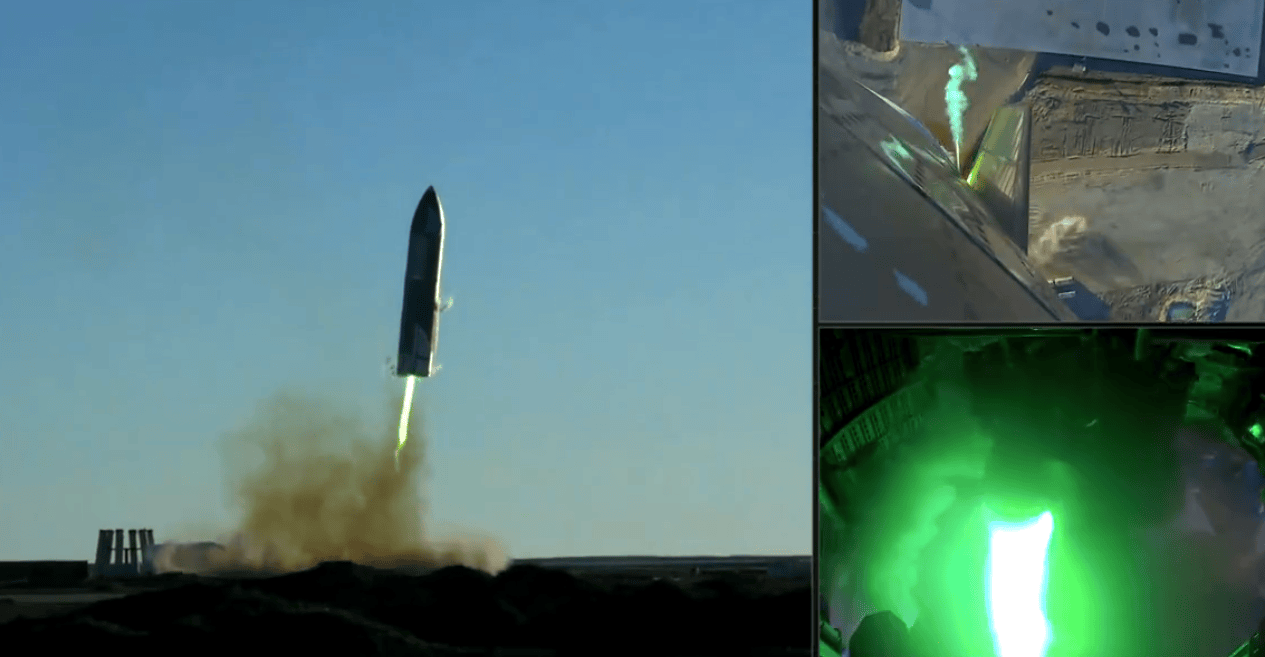
…from the recent Space-X launch with NASA.
Of course, none of this guarantees success.
What do we need more of?
Type 1? You be the judge.
Type One: The Reformer
Type Ones have a “sense of mission” that leads them to want to improve the world in various ways, using whatever degree of influence they have. They strive to overcome adversity—particularly moral adversity—so that the human spirit can shine through and make a difference. They strive after “higher values,” even at the cost of great personal sacrifice.
A type one person –
… is conscientious and ethical, with a strong sense of right and wrong. They are teachers, crusaders, and advocates for change: always striving to improve things, but afraid of making a mistake. Well-organized, orderly, and fastidious, they try to maintain high standards, but can slip into being critical and perfectionistic. They typically have problems with resentment and impatience. At their Best: wise, discerning, realistic, and noble. Can be morally heroic.
[Source: Enneagram Institute]
Caveat:
I own stock/shares in Tesla.

Quite simply, because he can.
WATCH: Highlights from SpaceX's successful launch of the Falcon Heavy from Florida. See the full launch and rocket landing here: https://t.co/0OsiG8TFbB pic.twitter.com/RFiikvOR0L
— Reuters Top News (@Reuters) February 7, 2018
In an age of “likes”, “friends”, virtual business, “disruption” and automation, it appears there is still room for the genuine steel-bending industrialist with a bold vision, committed to building real assets with genuine ingenuity and innovation.
Well done Elon.
Did I mention there is a Red Tesla Roadster also currently in orbit, overhead, Perth Western Australia?
SpaceX’s big new rocket blasted off on its first test flight, carrying a red sports car aiming for an endless road trip past Mars.
View from SpaceX Launch Control. Apparently, there is a car in orbit around Earth. pic.twitter.com/QljN2VnL1O
— Elon Musk (@elonmusk) February 6, 2018
The Falcon Heavy rose from the same launch pad used by NASA nearly 50 years ago to send men to the moon.
With lift-off, the Heavy became the most powerful rocket in use today, doubling the lift-off capability of its closest competitor.
Men admire the man who can organize their wishes and thoughts in stone and wood and steel and brass.

The announcement by Elon Musk of his proposed electric semi-truck and new roadster almost broke the internet last week.
Perhaps missed in the hype, cheering and very loud music accompanying a very, very, very fast red car, was a small, but potentially profound announcement about the truck “mega-chargers” and the flat-priced provision for charging these trucks.
Innovations in this sector are highly focussed on the elephant in the room. Running costs. The famous UPS “don’t turn left” innovation saves millions, but Musk’s numbers look like he might genuinely change the face of the industry and address some of the drivers of climate change at the same time.
This is potentially the single biggest disruption in the transport and logistics industry; ridiculously cheaper, fixed cost “fuel”. This truck is a “day-tripper”, with no sleeping/overnight cabin.
Musk suggests a flat-price of electricity at the mega-chargers of 7 cents Kwh. Powered by their own solar photovoltaics.

He detailed that at 7 cents per kilowatt-hour, assuming a diesel fuel price of US$2.50 per gallon, coupled with insurance and maintenance costs, a Tesla Semi driven at 60 miles per hour with an full load on a 100-mile route would cost about $1.26 a mile to operate, compared to $1.51 per mile for a diesel truck.
The truck’s drag coefficient is 0.36, which is actually less than the 0.38 coefficient of the Bugatti Chiron, one of the world’s fastest sports car. A diesel truck, by comparison, has a coefficient of between 0.65 and 0.7. [Think of a brick versus a bullet]
As mentioned in presentations and on my WhaleSongServices blog, “platooning” will [and is] already changing the face of transport planning. Musk said that Tesla Semis will be capable of platooning, and in that configuration a diesel truck will be twice as expensive. The ability to digitally link trucks together for greater efficiency makes it
“not just economic suicide to use one diesel truck; it’s economic suicide for rail”
– Elon Musk
He might just be right.

Certainly a growing and contentious policy debate on the role and purpose of autonomous robots in the “workplace”.
The potential of existential challenges to what we understand the “middle-class” to be [ in the context of a 20th Century definition of a “labour-force], coupled with genuine and profound advances in autonomous and now artificial intelligence, gives one a moment [at least] of pause. Certainly minds [ such as Musk, Hawking, Gates and Omohundro ] that closely consider these technologies and their implications would also agree. The existential challenges may extend far beyond the limited boundaries of what we call the “middle-class”.
As Prof. Stephen Hawking noted:
The real risk with AI isn’t malice but competence… a super intelligent AI will be extremely good at accomplishing its goals, and if those goals aren’t aligned with ours, we’re in trouble.
Consider the musings of Elon Musk and remember this phrase. Recursive self-improvement…:
Reforms and dislocations being witnessed in “modern” labour markets are perhaps the first symptoms of genuinely profound changes to what we understand work to be in the second half of this century. The implications of automation, “job-less growth” and widening skills and income inequality suggest profound changes in policy responses will be needed. Examples such as the development of “universal” or “basic income” schemes coupled with labour market and education reforms will no doubt begin to get more attention in the coming decade.
In January, the WEF estimated that over 5 million jobs will be lost globally due to technological change. Recently published figures from the International Federation of Robotics predict that annual global sales of industrial robots will almost double in volume by 2018.
The IFR also pointed out that:
By 2018, around 1.3 million industrial robots will be entering service in factories around the world. In the high-revenue automotive sector, global investments in industrial robots increased by a record-breaking 43 percent (2013-2014) within one year.


human capital investment must be at the heart of any long-term strategy for producing skills that are complemented rather than substituted by technology……Significantly, mastery of “middle skill” mathematics, life sciences, and analytical reasoning is indispensable for success in this training.
Certainly the changes in economic and social policy are “well behind the curve” currently. I see little indication that this trend will improve. Given the latest work from the World Economic Forum’s research on The Future of Jobs where they state:
Today, we are on the cusp of a Fourth Industrial Revolution. Developments in genetics, artificial intelligence, robotics, nanotechnology, 3D printing and biotechnology, to
name just a few, are all building on and amplifying one another. This will lay the foundation for a revolution more comprehensive and all-encompassing than anything we have ever seen. Smart systems—homes, factories, farms, grids or cities—will help tackle problems ranging from supply chain management to climate change. The rise of the sharing economy will allow people to monetize everything from their empty house to their car.
Perhaps most saliently, they note:
While the impending change holds great promise, the patterns of consumption, production and employment created by it also pose major challenges requiring proactive adaptation by corporations, governments and individuals. Concurrent to the technological revolution are a set of broader socio-economic, geopolitical and demographic drivers of change, each interacting in multiple directions and intensifying one another. As entire industries adjust, most occupations are undergoing a fundamental transformation.
Proactive adaptation by corporations, governments and individuals. Historically, a challenge at the best of times. Anticipating and proactively adapting to what the WEF considers the fourth industrial revolution?
Good luck with that…
When considering the global policy responses to Climate Change, a phenomenon that we have decades of evidence-based, scientifically verified research to support our understanding of both the near and long-term implications for humanity [with unprecedented consensus ] and yet adaptation, let alone proactive adaptation seems non-existent in the policy sphere, beyond the well-intentioned.
WEF founder Klaus Schwab and board member Richard Samans opined that:
To prevent a worst-case scenario — technological change accompanied by talent shortages, mass unemployment and growing inequality — re-skilling and up-skilling of today’s workers will be critical…
Now, for a response, we turn to the Minister for Industry, Innovation and Science , the Minister for Employment, the Minister for Social Services, the Minister for Education and Training and the Minister for Vocational Education and Skills [ [ along with their State counter-parts of course ], for some proactive adaptation and hope we don’t get only recursive self-improvement…

The phrase “Stranded Assets” will occupy many policy briefings over the weeks, months and years ahead. The Geo-political implications of current energy investment are increasingly main stream, if not fundamental policy vectors.
The early months of 2015 have seen significant momentum-shift in the market-drivers for genuine energy policy reform, if not profound/total re-think. Increasing evidence of large fund divestments here, here, here and here suggest this momentum is real. When the herd turns….
Then Elon Musk walks out on stage and suggests in a humble twenty minute presentation, that
1. The Keeling Curve needs to be changed. [i.e Humanity’s future – 403.39 Today!]
2. He notes we have access to the means to do this with a “handy fusion reactor in the sky”
3. He proposes to commodify the capture and reuse of sunlight by inventing a new technology.
4. He hopes others will do the same by providing access to the technology [Open Source]
Spend the eighteen minutes it takes to watch Elon Musk and then play a little mind-game called, “if I’m the government, what do I do now?”