

Category Archives Innovation
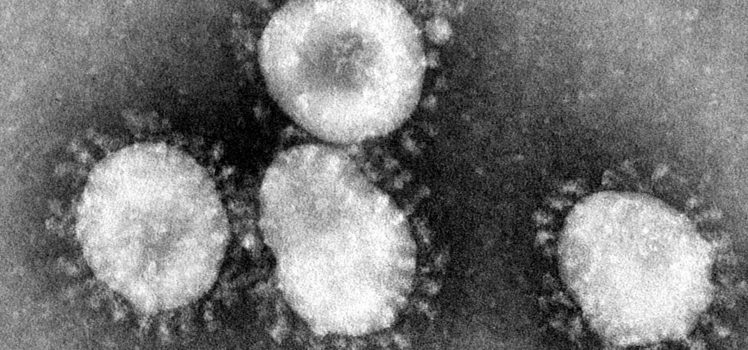
Early detection, early responseLarry Brilliant 2006 https://www.ted.com/talks/larry_brilliant_my_wish_help_me_stop_pandemics?utm_campaign=tedspread&utm_medium=referral&utm_source=tedcomshare Accepting the 2006 TED Prize, Dr. Larry Brilliant talks about how smallpox was eradicated from the planet, and calls for a new global system that can identify and contain pandemics before they spread. Corona Virus By Photo Credit:Content Providers(s): CDC/Dr. Fred Murphy - This media comes from the Centers for Disease Control and…

Sitting in rural Victoria, sky obscured by bushfire smoke, I am reminded that I have said [and written] many times, that climate and energy transitions are the greatest challenges of our [and our children's children] time. It would appear most of the Federal Government disagrees with me. What are the arguments against a more sustainable future? What are the arguments…

Over 100 cities now get at least 70% of their electricity from renewable sources such as hydro, geothermal, solar and wind. This includes Reykjavík, Iceland where geothermal and hydro-power are powering much of the city, and Basel, Switzerland where 100% of renewable power comes from the city's own energy supply company. In the US, where some 58 cities and towns…

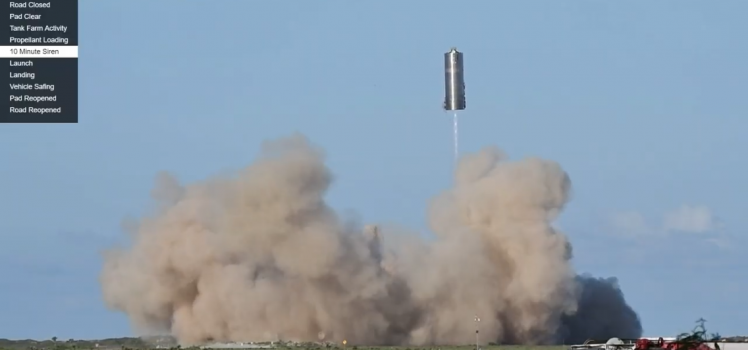
Quite simply, because he can. WATCH: Highlights from SpaceX's successful launch of the Falcon Heavy from Florida. See the full launch and rocket landing here: https://t.co/0OsiG8TFbB pic.twitter.com/RFiikvOR0L— Reuters Top News (@Reuters) February 7, 2018 In an age of "likes", "friends", virtual business, "disruption" and automation, it appears there is still room for the genuine steel-bending industrialist with a bold vision,…

or "Look, you who think the gods have no care of human things, what do you say to so many persons preserved from death by their especial favour?", to which Diogenes replied: "Why, I say that their pictures are not here who were cast away, who are by much the greater number." - Diogenes
Part of the problem or part of the solution? Things really have improved. Perfect? Not by a long-shot. Could you imagine the largest manufacturer in the world, even a decade ago, investing capital and recurrent resources in this level of innovation to recycle the products they produce? http://www.apple.com/recycling/ The cynical amongst us [I count myself as one] have always looked…
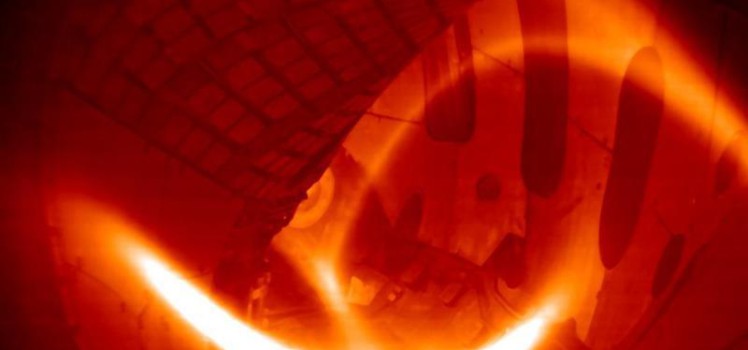
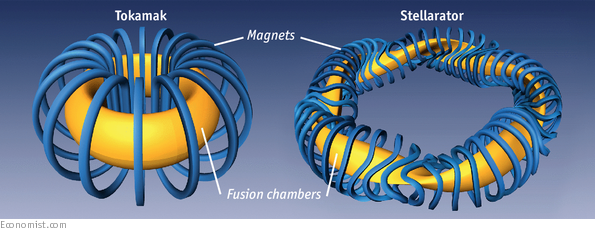
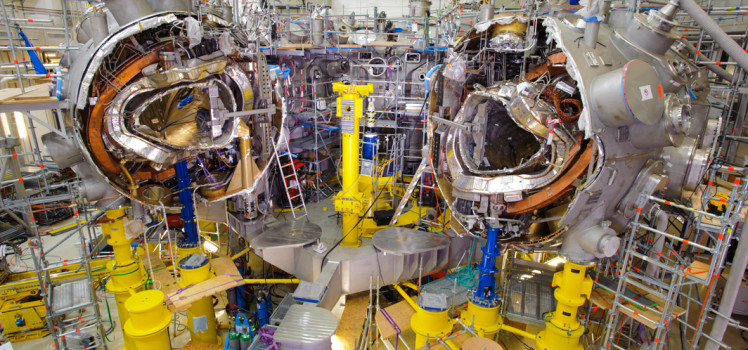
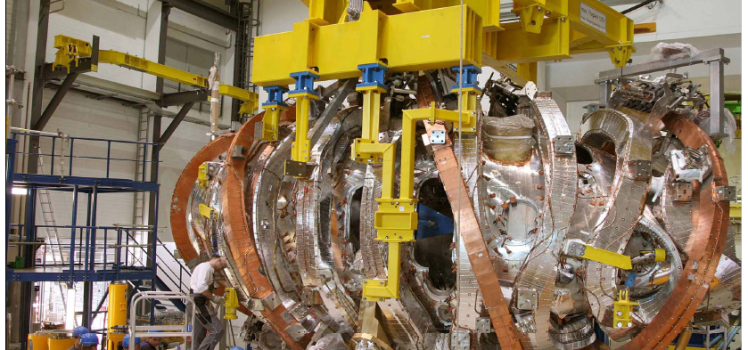
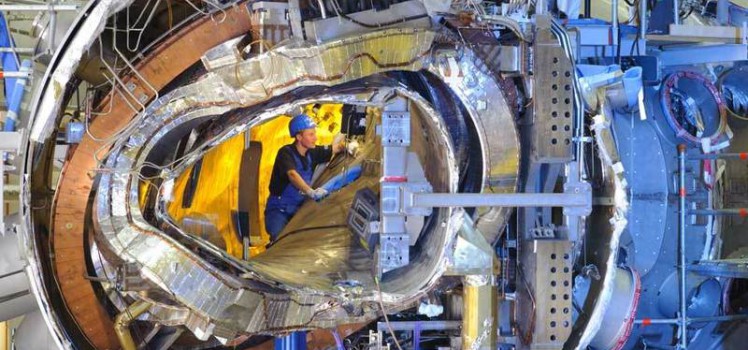
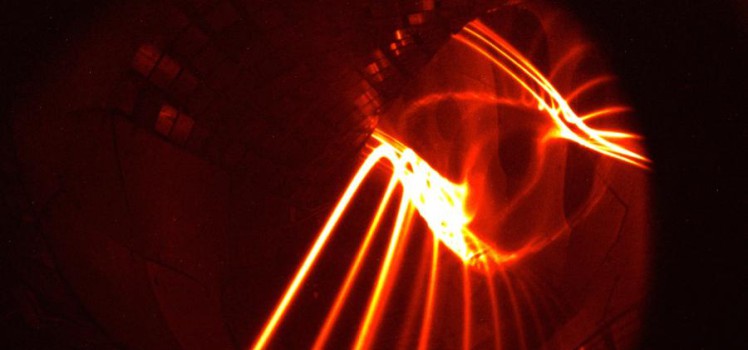
Innovation Five frogs sitting on a log, four decide to jump in, how many are left? The answer? Five! ... because deciding and doing are two very different things... The Wendelstein 7-X fusion device at Max Planck Institute for Plasma Physics (IPP) in Greifswald produced its first hydrogen plasma on 3 February 2016. This marks the start of scientific operation.…
60 Minutes USA looks at Apple Computer, the world's largest Company [for the third year]. Insights in to design, innovation and modern business practices, including labour-practices, skills and education. Yes the tax questions were asked. Encryption is worth considering. #keepitlockedtim What's next for Apple? 60 Minutes [USA] Apple Inc